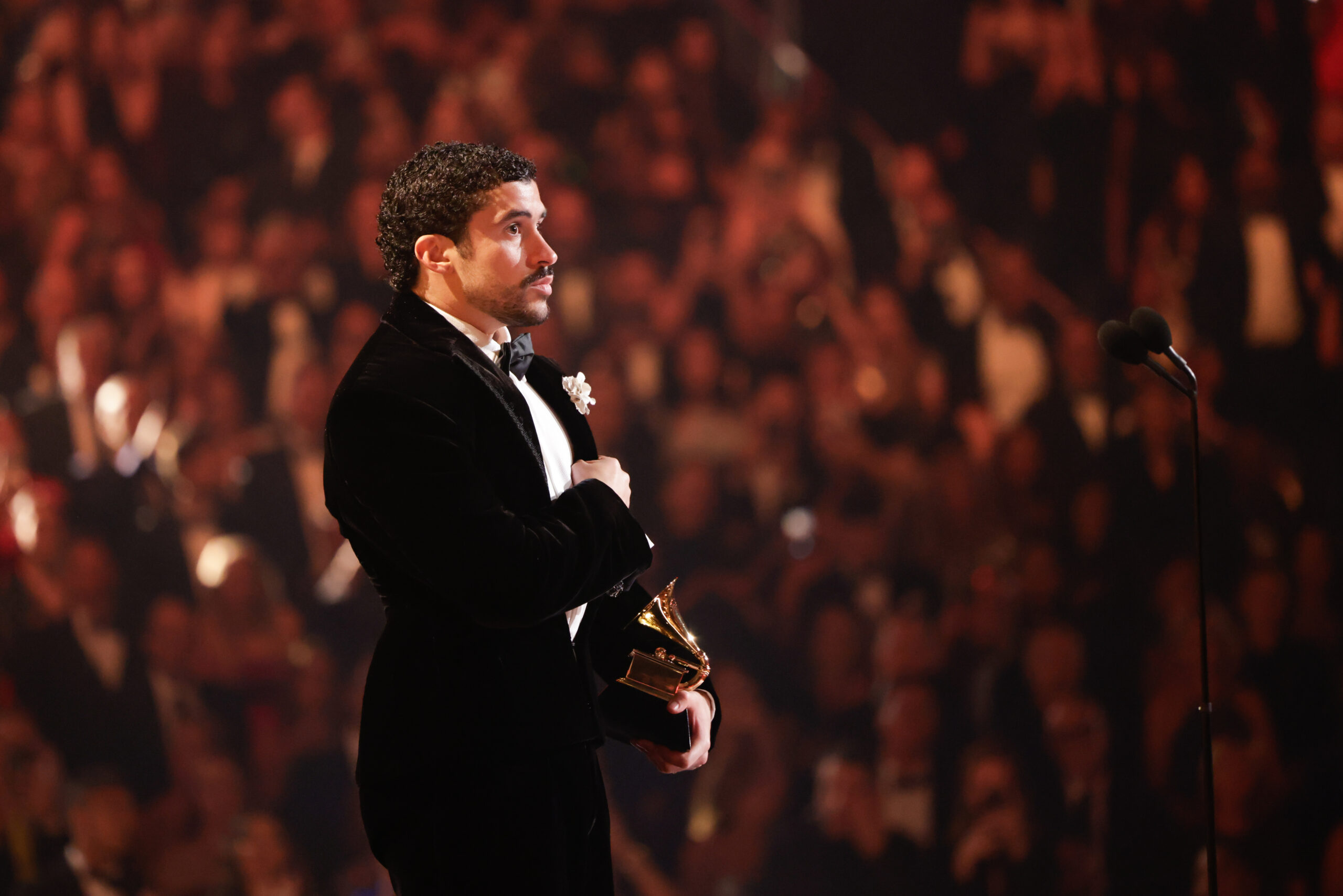
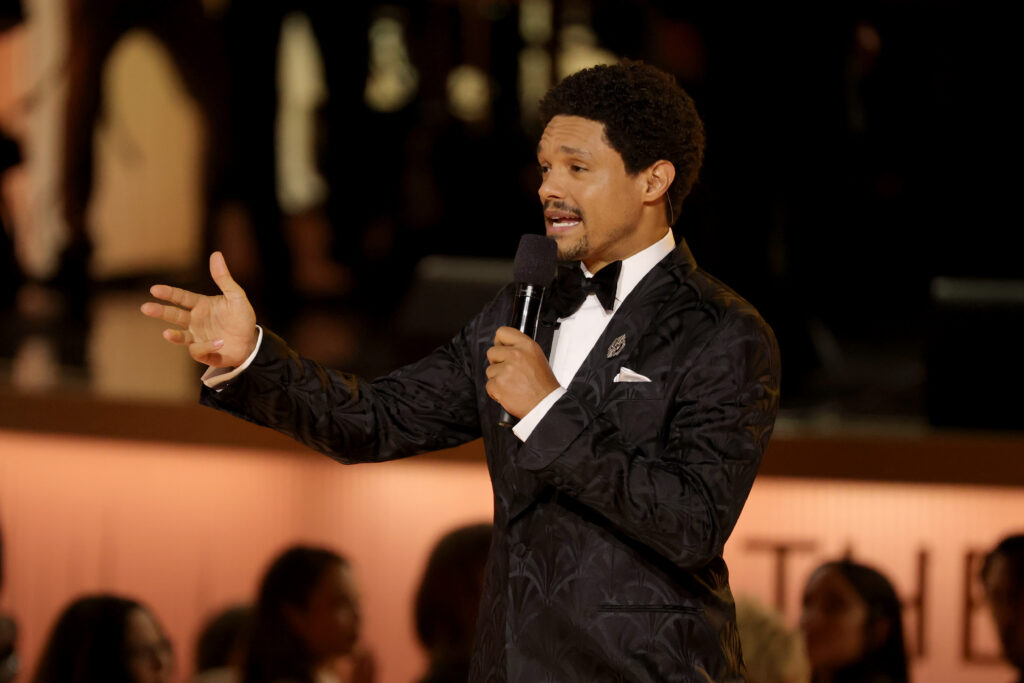
The 68th Annual Grammys were held on February 1, 2026 at the Crypto.com Arena in Los Angeles, airing live on CBS and streaming on Paramount+. Trevor Noah hosted the ceremony for the sixth and final time, overseeing a night that reflected how the music industry currently operates at the highest level. The awards highlighted artists whose work shaped the year through reach, consistency, and cultural presence, with results that closely mirrored the listening habits and priorities of a global audience.
Across its top categories, the ceremony rewarded artists working at scale while maintaining strong critical standing. The show moved efficiently through its major moments, placing emphasis on outcomes rather than spectacle and keeping focus on the recordings and performances that defined the eligibility year.
Album of the Year Centers Global Music
Album of the Year went to Bad Bunny for Debí Tirar Más Fotos, marking the first time a Spanish language album received the Grammy’s top honor! The win placed one of the most globally dominant artists of the decade at the center of the ceremony and formally aligned the Academy’s highest award with the realities of international listening patterns.
Bad Bunny also won Best Música Urbana Album and Best Global Music Performance during the evening. His recognition across categories reflected sustained commercial performance, streaming presence, and touring demand throughout the year. The Album of the Year win carried weight not because of novelty, but because of scale. The album reached audiences across markets and platforms in a way few releases matched during the eligibility period.
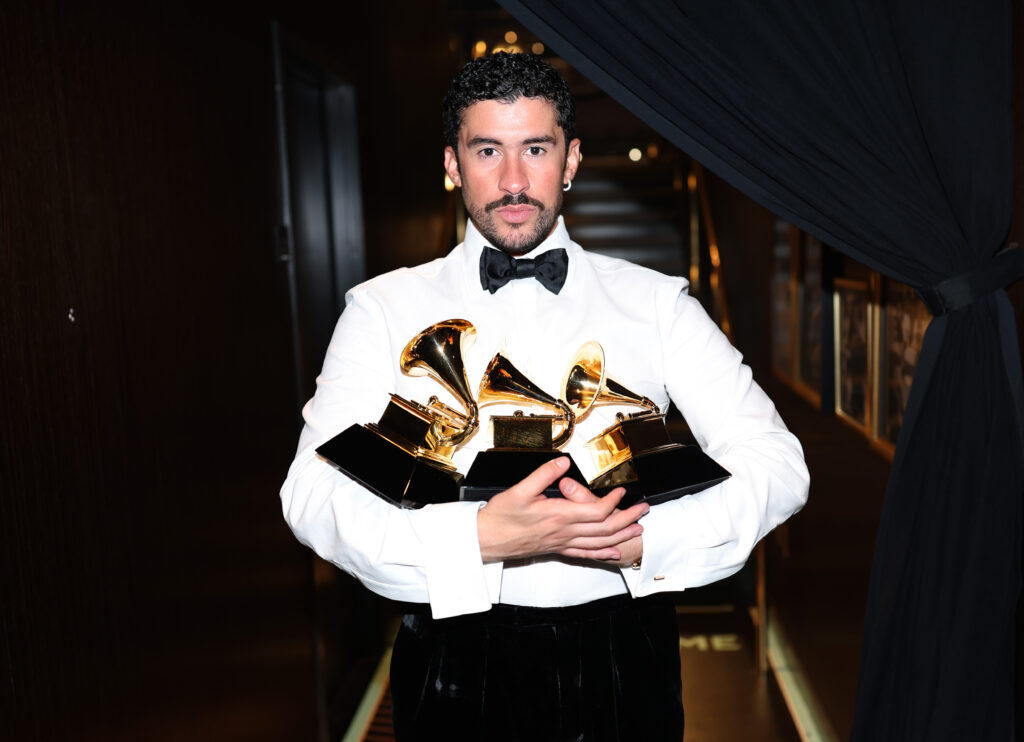
The decision stood as one of the most consequential in Grammy history, not through framing or presentation, but through its direct acknowledgment of global influence as a defining metric of success.
Kendrick Lamar Leads the Night
Kendrick Lamar entered the 2026 Grammys with the most nominations and emerged as the most awarded artist of the ceremony. He won five Grammys, including Record of the Year for “luther” with SZA, Best Rap Album for GNX, Best Rap Song, Best Rap Performance, and Best Melodic Rap Performance.
With these wins, Lamar became the most awarded rapper in Grammy history. The achievement reflected sustained recognition across multiple phases of his career and reinforced his standing as one of the most critically respected artists of his generation. His wins spanned songwriting, performance, and album categories, underscoring his continued relevance across the full scope of recorded music.
The Record of the Year announcement included a brief onstage slip by presenter Cher before the correct winner was confirmed. The moment quickly passed, leaving the focus on Lamar and SZA’s collaboration, which stood among the most widely recognized recordings of the year.
Songwriting, Breakouts, and Genre Wins
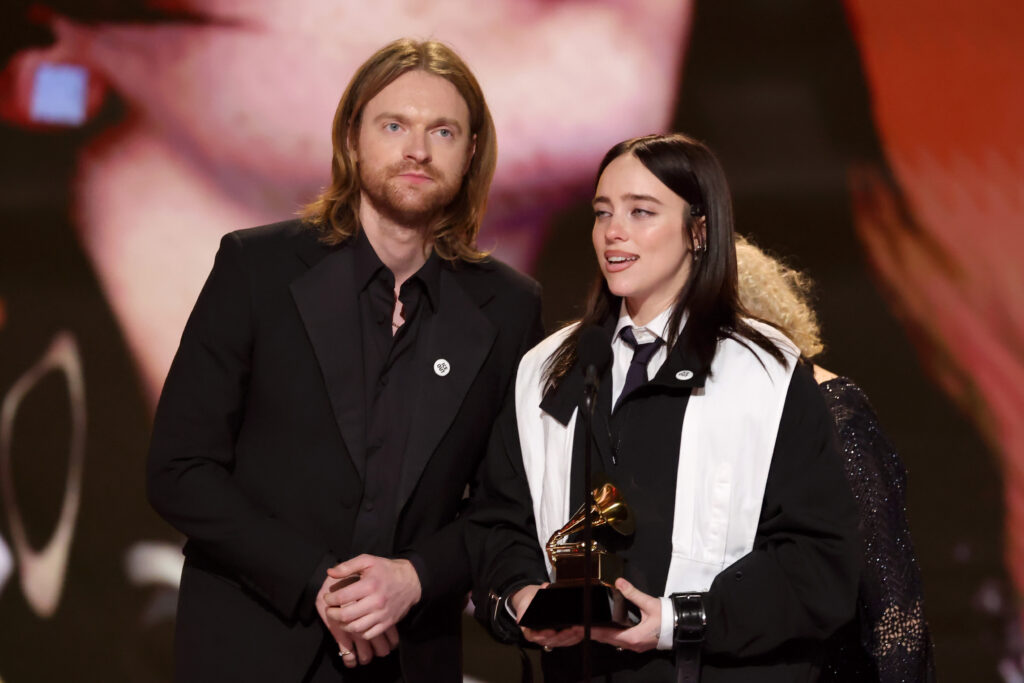
Song of the Year went to Billie Eilish and Finneas O’Connell for “Wildflower.” The win marked their third victory in the category, setting a new record for the most Song of the Year awards by a songwriting team. Their continued recognition highlighted long term consistency rather than isolated commercial moments.
Olivia Dean won Best New Artist, placing her among a lineage of performers recognized at an early stage of their careers. The award marked a formal elevation following a year of growing visibility and critical attention.
Genre categories reflected a broad musical range. Turnstile earned recognition in rock and metal fields, continuing their momentum within heavier music spaces. FKA twigs won Best Dance and Electronic Album for Eusexua, adding to her record of critical acclaim and highlighting the Academy’s engagement with electronic and experimental pop.
Across categories, the winners list demonstrated balance between mainstream success and genre specific excellence, with outcomes that reflected both commercial metrics and peer recognition.
Performances, Tributes, and the Larger Picture
Live performances throughout the broadcast included appearances from Lady Gaga, Sabrina Carpenter, and Justin Bieber, offering a mix of pop presentation and restrained staging. The In Memoriam segment honored artists including Ozzy Osbourne and D’Angelo, with contributions from Slash, Lauryn Hill, and Post Malone, connecting the night’s celebrations to the industry’s broader history.
The ceremony unfolded without major controversy or disruption, keeping attention on the awards themselves. Acceptance speeches remained focused, performances were efficiently staged, and the broadcast maintained a steady pace through its major categories.
Taken together, the 2026 Grammys presented a clear snapshot of the current music landscape. The night highlighted global reach, sustained excellence, and genre diversity without leaning on symbolic gestures or narrative framing. The awards reflected how music circulated, succeeded, and resonated over the past year.
The results stood on their own.