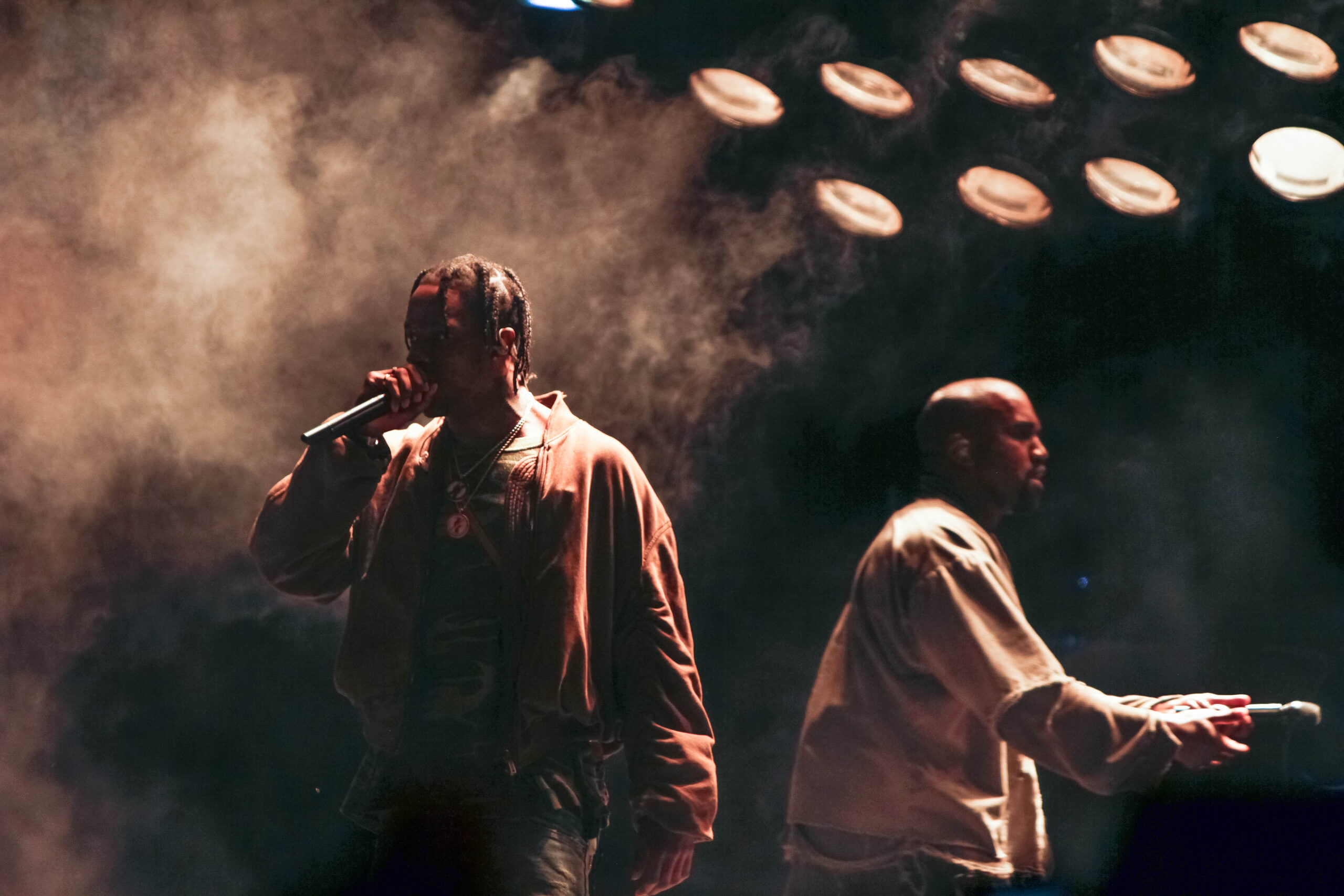
Kanye West and Travis Scott’s Planned Shows Hit a Major Roadblock
What was shaping up to be one of Europe’s biggest live music weekends is no longer happening. Italian authorities have halted planned concerts by Kanye West and Travis Scott at Reggio Emilia’s RCF Arena, citing public safety and crowd-management concerns.
The shows were scheduled for July 17 and 18 and were expected to bring tens of thousands of fans to one of the largest concert venues in Europe.
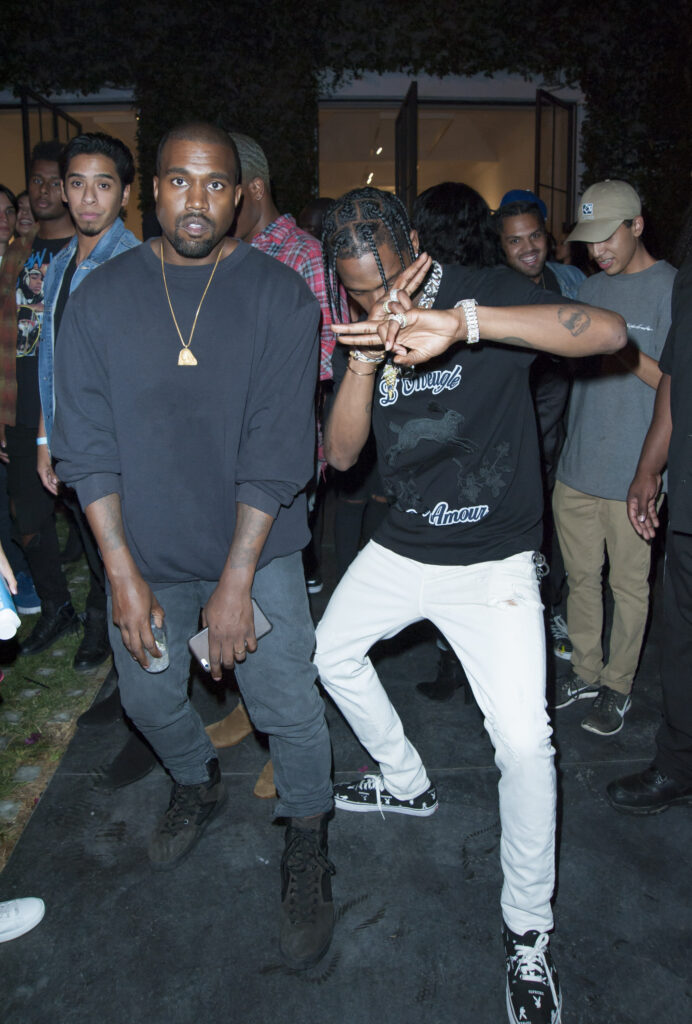
For music fans, the news is significant because these were not routine tour stops. The events had the scale of major cultural moments. Two of hip-hop’s biggest names were set to perform on consecutive nights at a venue capable of hosting more than 100,000 people. The concerts had already generated substantial attention before authorities stepped in.
Now, the focus has shifted from the performances themselves to the decision that stopped them.
Why the Shows Were Called Off
Officials in Reggio Emilia said the concerts raised concerns related to public order, security, and crowd management. Authorities reviewed the events ahead of their scheduled dates and ultimately determined that the risks associated with hosting them outweighed the benefits.
The decision followed discussions involving local officials, community groups, and public safety authorities. Concerns surrounding large crowd movements, transportation logistics, emergency planning, and the potential for demonstrations all factored into the final ruling.
Kanye West’s planned appearance drew particular scrutiny due to ongoing controversies that have followed the artist in recent years. Local organizations publicly objected to the event and urged authorities to reconsider allowing the concert to move forward.
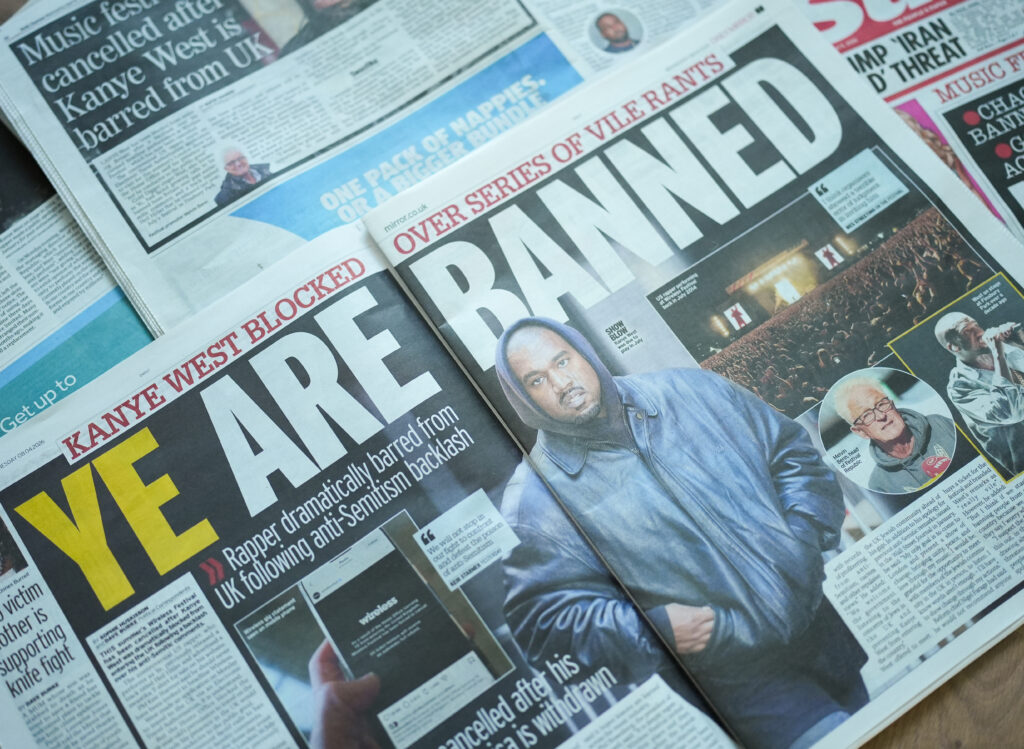
Travis Scott’s show was also included in the cancellation order. While the circumstances surrounding Scott’s event were different, authorities viewed the two concerts as part of a broader public safety challenge because of their size, timing, and expected attendance.
The result was a complete halt to both performances before either show reached the stage.
What This Means for Live Music
The cancellation highlights how much attention large-scale events now receive from local governments and safety officials.
Modern stadium and festival concerts operate on a scale that extends far beyond the artists performing. Transportation systems, security teams, emergency services, venue staff, local businesses, and city infrastructure all become part of the equation. When events involve audiences measured in the tens of thousands, planning becomes almost as important as the performance itself.
That reality has become even more visible over the last several years as conversations around concert safety have moved to the forefront of the industry.
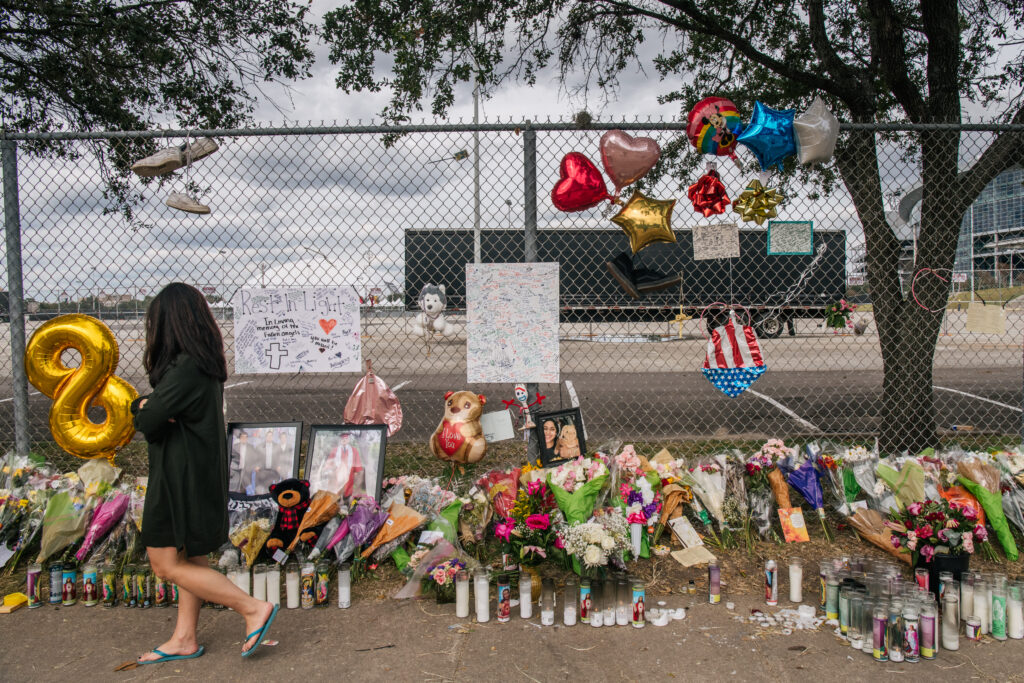
Promoters today face scrutiny that extends well beyond ticket sales and production value. Authorities want detailed plans for crowd flow, emergency access, transportation routes, and public safety measures before events receive approval. The larger the crowd, the more intense that review becomes.
The Reggio Emilia situation shows how quickly those concerns can affect even the biggest artists in the world. Star power alone is not enough to guarantee that a show moves forward.
For fans who had already planned travel, accommodations, and summer schedules around these concerts, the decision creates uncertainty. Questions about refunds, rescheduling possibilities, and alternative plans immediately followed the announcement.
At the moment, those answers remain limited.
A Different Kind of Headline
Concert announcements usually generate excitement. Fans start building dream setlists. Social media fills with ticket screenshots, travel plans, and countdown posts. The anticipation becomes part of the experience.
This story unfolded differently.
Instead of discussing production details or surprise guests, the conversation surrounding these shows has centered on whether they should have happened at all. That shift alone makes the cancellation one of the most notable live music stories of the year.
For Kanye West, the decision adds to a period in which planned appearances and public events have increasingly faced obstacles. For Travis Scott, it places renewed attention on the broader conversation surrounding crowd management whenever large-scale performances are announced.
Most of all, it leaves a massive empty space on the summer concert calendar.
A venue built to hold more than 100,000 people. Two global artists. Consecutive nights. Tens of thousands of expected attendees.
On paper, it looked like one of the biggest music weekends Europe would see in 2026.
Instead, it has become a reminder of how much power local authorities still hold over live entertainment. No matter how large the artist, how big the audience, or how high the demand, a concert only happens if the city hosting it decides the risks are worth taking.