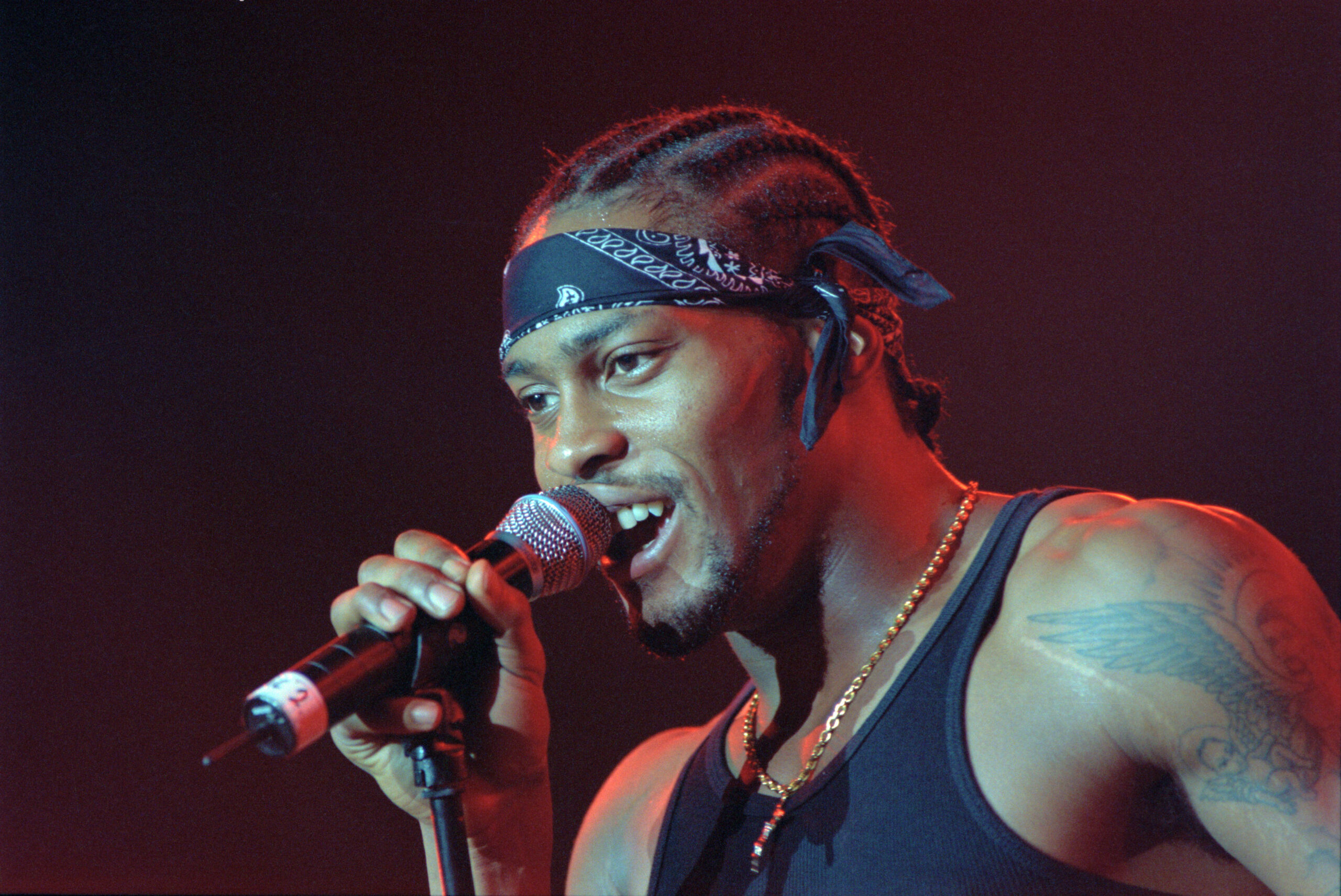
On Tuesday, October 14, the world lost one of its most quietly powerful voices. D’Angelo, the artist who helped define neo-soul and rewire modern R&B, passed away at 51 after a private battle with pancreatic cancer. The news hit hard, not just because we lost a legend, but because we lost someone who always seemed to hold the whole genre together, even when he wasn’t saying a word.
For nearly three decades, D’Angelo represented something rare in music: truth without performance. His voice was warm, raspy, deeply human. His music never chased trends; it built them. Every note felt like a confession, every groove like a heartbeat. He didn’t just sing soul, he was soul.
The Birth of Something Real
Born Michael Eugene Archer in Richmond, Virginia, in 1974, D’Angelo grew up surrounded by gospel and grit. His father was a preacher, and the church became his first audience. By his teens, he was writing, producing, and performing in local shows, already obsessed with the idea of making music that felt alive.
When Brown Sugar dropped in 1995, R&B was in its shiny, high-production phase. D’Angelo changed the channel completely. With live instruments, velvety keys, and a voice that sounded like it had lived a few lives already, the record felt like a throwback and a revolution at once.
Songs like “Lady,” “Brown Sugar,” and “Cruisin’” oozed warmth and swagger, but they also had heart. He wasn’t performing for attention, he was inviting you in. That album didn’t just introduce D’Angelo; it reintroduced honesty into R&B. And when people started calling it “neo-soul,” they were really just giving a name to what D’Angelo already was.
The Weight of a Masterpiece
Five years later, he delivered Voodoo, one of the most ambitious albums of its era. Built in collaboration with the Soulquarians — Questlove, J Dilla, Erykah Badu, and others — it was loose, textured, and fearless. It was the sound of a man unbothered by formulas and completely consumed by rhythm.
Then came “Untitled (How Does It Feel).” The song, the video, the moment, it all hit like lightning. D’Angelo became an icon overnight, and not necessarily in the way he wanted. The world turned him into a sex symbol, when all he wanted was to be heard. The pressure and the scrutiny that followed sent him inward. For years, he stepped away from the spotlight entirely.
The silence that followed became part of his mythology. Fans wondered where he’d gone, but the truth is, he was just trying to survive. He struggled with addiction and expectation, but behind the scenes, he was rebuilding; spiritually, musically, and emotionally. The mystery only deepened his legend.
The Return of the Messiah
When Black Messiah dropped out of nowhere in 2014, it felt like a cultural earthquake. After nearly fifteen years of quiet, D’Angelo came back swinging. The album was funky, urgent, and political without preaching. It was his way of responding to a world on fire — police brutality, protest, and a country trying to make sense of itself.
Tracks like “Really Love,” “The Charade,” and “Till It’s Done (Tutu)” were both prayers and warnings. It was music you could dance to, but also music that made you stop and think. Black Messiah reminded everyone why D’Angelo mattered so much — he wasn’t just making songs, he was making statements. And in an era of oversharing and overproduction, his restraint felt revolutionary.
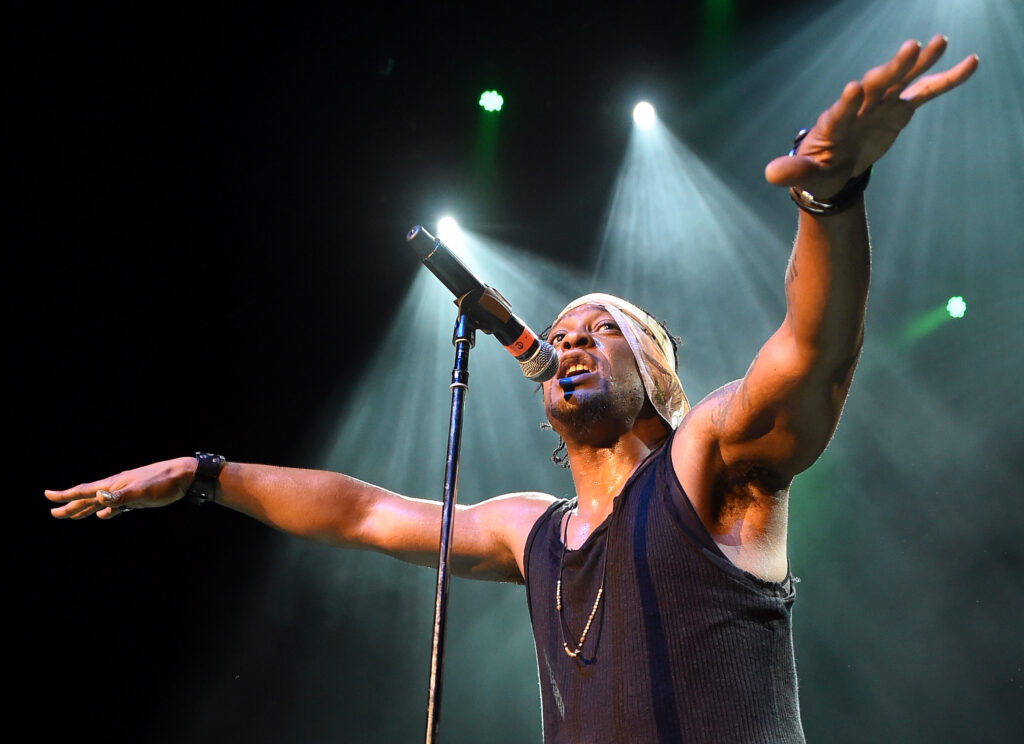
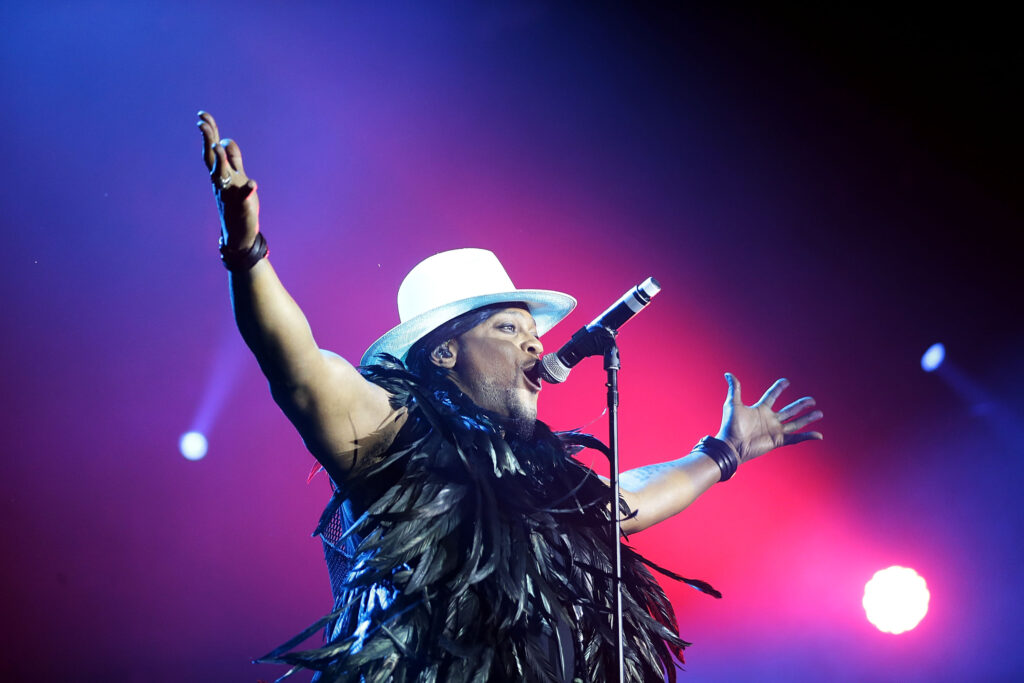
After its release, D’Angelo returned to touring, performing with a quiet confidence that came from finally owning his story. His live shows felt sacred — less like concerts, more like gatherings. There was sweat, there was groove, there was grace. You could feel everyone in the room trying to hold onto the moment.
The Echo That Never Ends
When news of his passing broke, the tributes came fast. From Lauryn Hill to Anderson .Paak, Beyoncé to Tyler, the Creator, everyone had something to say about the man who taught them how to feel on a track. You can hear his fingerprints in every corner of modern soul: the rawness of Frank Ocean, the textures of Solange, the intimacy of H.E.R. D’Angelo’s music never went out of style because it was never about style. It was about sincerity.
Three albums. That’s all it took to reshape the sound of a generation. Brown Sugar gave us warmth. Voodoo gave us depth. Black Messiah gave us truth. Together, they form a body of work that feels timeless, like something that was always meant to exist.
D’Angelo’s passing leaves a hole that can’t be filled, but his music remains a living, breathing thing. It’s in the chords of new artists, the playlists of old fans, the collective heartbeat of soul music. He once said he made records to “make people feel human again.”
Mission accomplished.