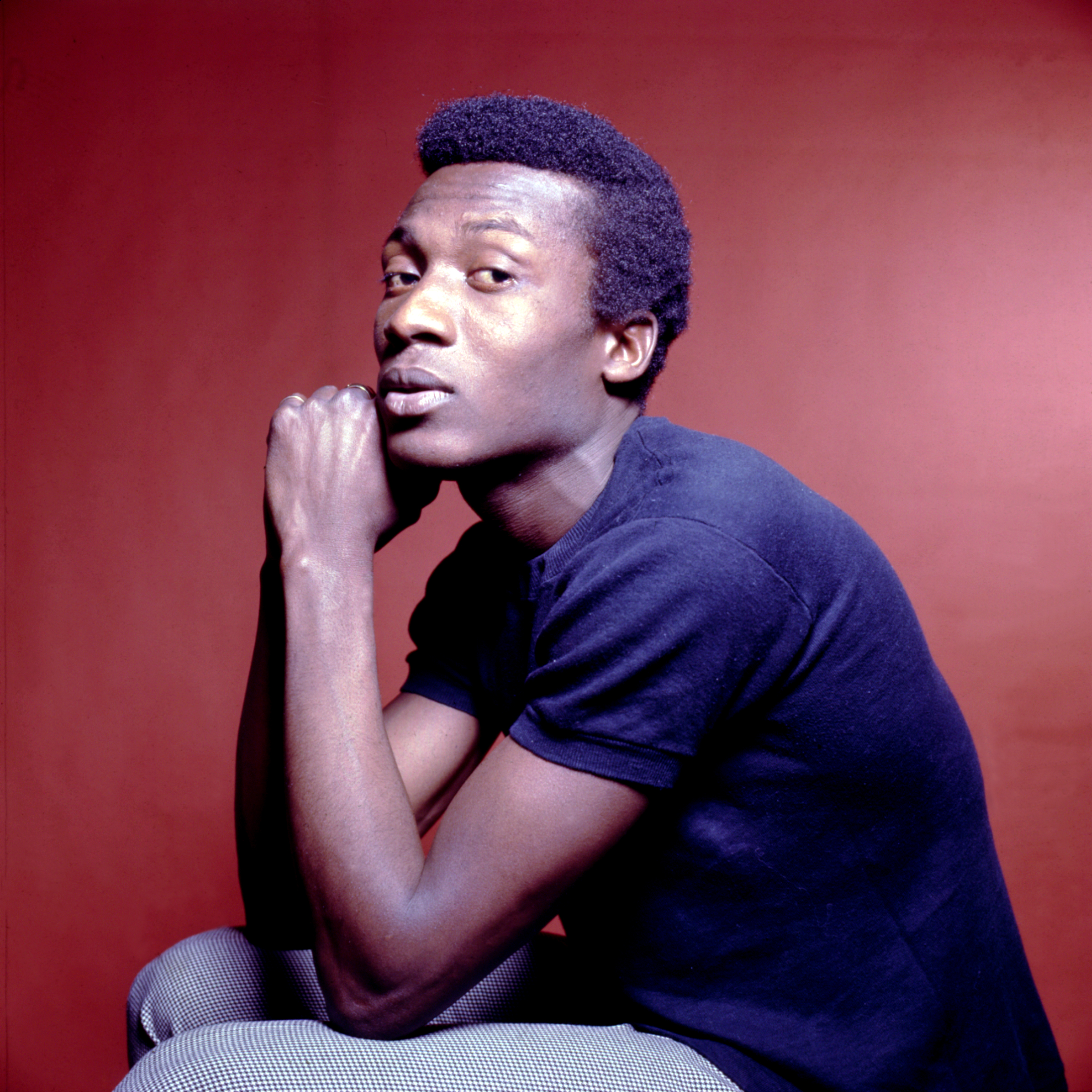
On November 24, the world said goodbye to Jimmy Cliff at age 81. Cliff was a true pioneer whose music shaped generations. His passing closes a major chapter in reggae history, but the impact he left behind is impossible to ignore. Cliff wasn’t just influential; he helped build the path that reggae artists still walk today. For fans of Jamaican music, global music, or just good music, this loss hits hard.
From Local Talent to International Breakthrough
Jimmy Cliff, born James Chambers, grew up in rural St. James, Jamaica before moving to Kingston as a teenager to chase his music dreams. That move paid off quickly. At 14, he landed his first hit, “Hurricane Hattie,” and immediately became one to watch on the island’s music scene.
The 1960s saw Cliff experimenting with ska, rocksteady, and early reggae as Jamaica’s sound evolved. His move to the UK in 1965 opened new doors. Under Island Records, he started blending Jamaican rhythms with the soul and pop influences circulating in London at the time. That fusion helped introduce reggae to audiences far beyond Jamaica and long before it was a mainstream force.
Everything changed in 1972 with The Harder They Come. Cliff didn’t just star in the film; he delivered several of its defining songs. The soundtrack helped carry reggae onto the international stage in a way nothing else had. Tracks like the title song, “Many Rivers to Cross,” and “Sitting in Limbo” became essential listening for anyone discovering the genre. Even now, that soundtrack remains one of the most important releases in reggae history.
A Catalog Built on Honesty and Heart
Part of what made Cliff’s music stand out was how direct it was. His songwriting didn’t hide behind complicated ideas. He said what he meant, and he meant a lot. Songs like “You Can Get It If You Really Want” doubled as both pep talks and social commentary, while “Vietnam” took on political issues with clarity that caught the attention of listeners worldwide.
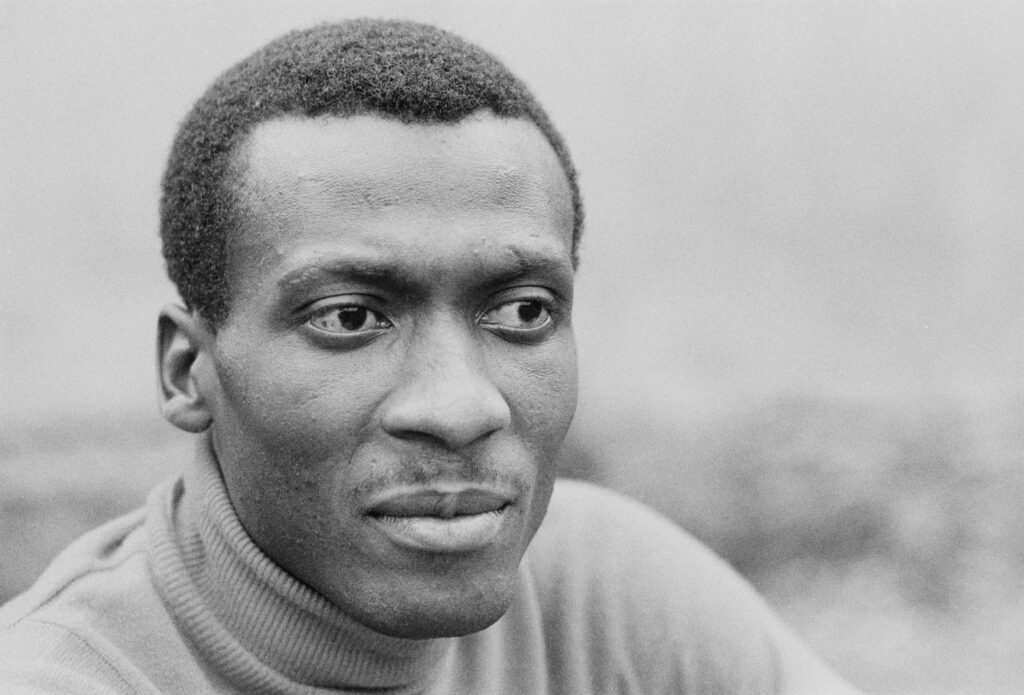
His voice carried a confidence and warmth that made even his heaviest songs easy to connect with. He never stopped finding new listeners. In the 1990s, his cover of “I Can See Clearly Now” became a huge hit and proved his relevance across decades. Cliff didn’t chase trends; he just kept releasing solid music, and the world continued to show up for it.
A Legacy That Reaches Far Beyond Jamaica
Across more than six decades, Jimmy Cliff released over 30 albums and performed around the world. His achievements include Grammy Awards, a place in the Rock and Roll Hall of Fame, and Jamaica’s Order of Merit, the country’s highest honor for cultural contribution.
More importantly, Cliff played a massive role in bringing reggae to global audiences. Artists today — from roots reggae to dancehall to international pop — owe part of their reach to the doors he opened. Fans, too, discovered Jamaican culture through him and carried that appreciation forward.
Saying Goodbye, But Keeping the Music Close
Jimmy Cliff passed away due to complications from a seizure and pneumonia. He leaves behind his wife, Latifa, his children, and a music community that spans continents.
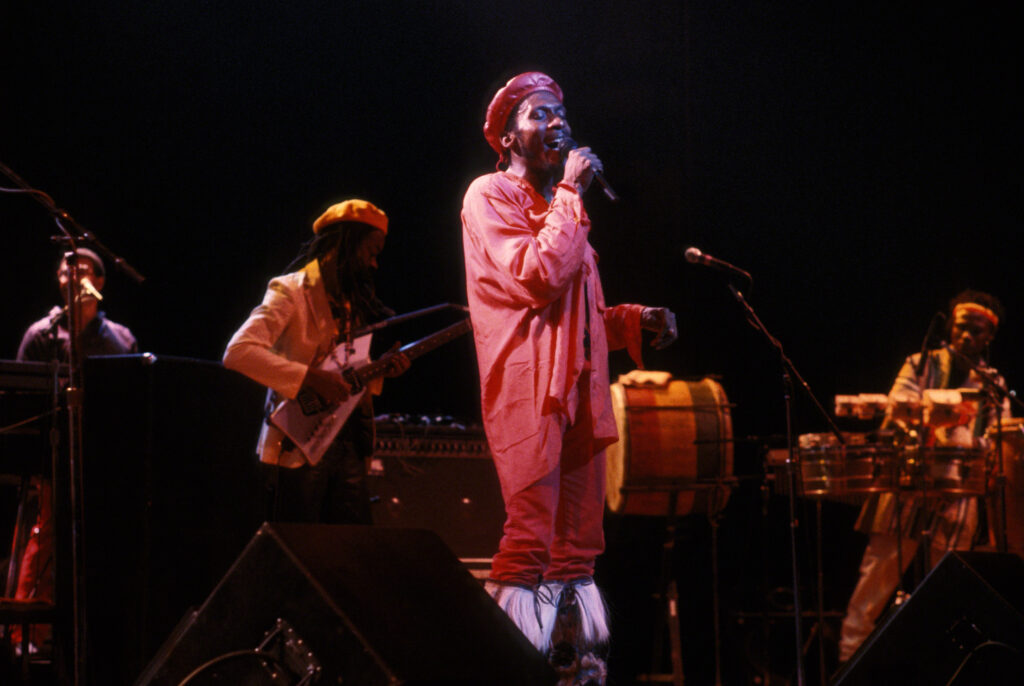
His influence won’t fade. His catalog remains widely celebrated, his film work is still studied, and his songs continue to appear everywhere from playlists to movie soundtracks. Cliff helped shape modern music, and that impact isn’t going anywhere.
Jimmy Cliff may be gone, but his work lives on in every corner of reggae and beyond. A legend, plain and simple.