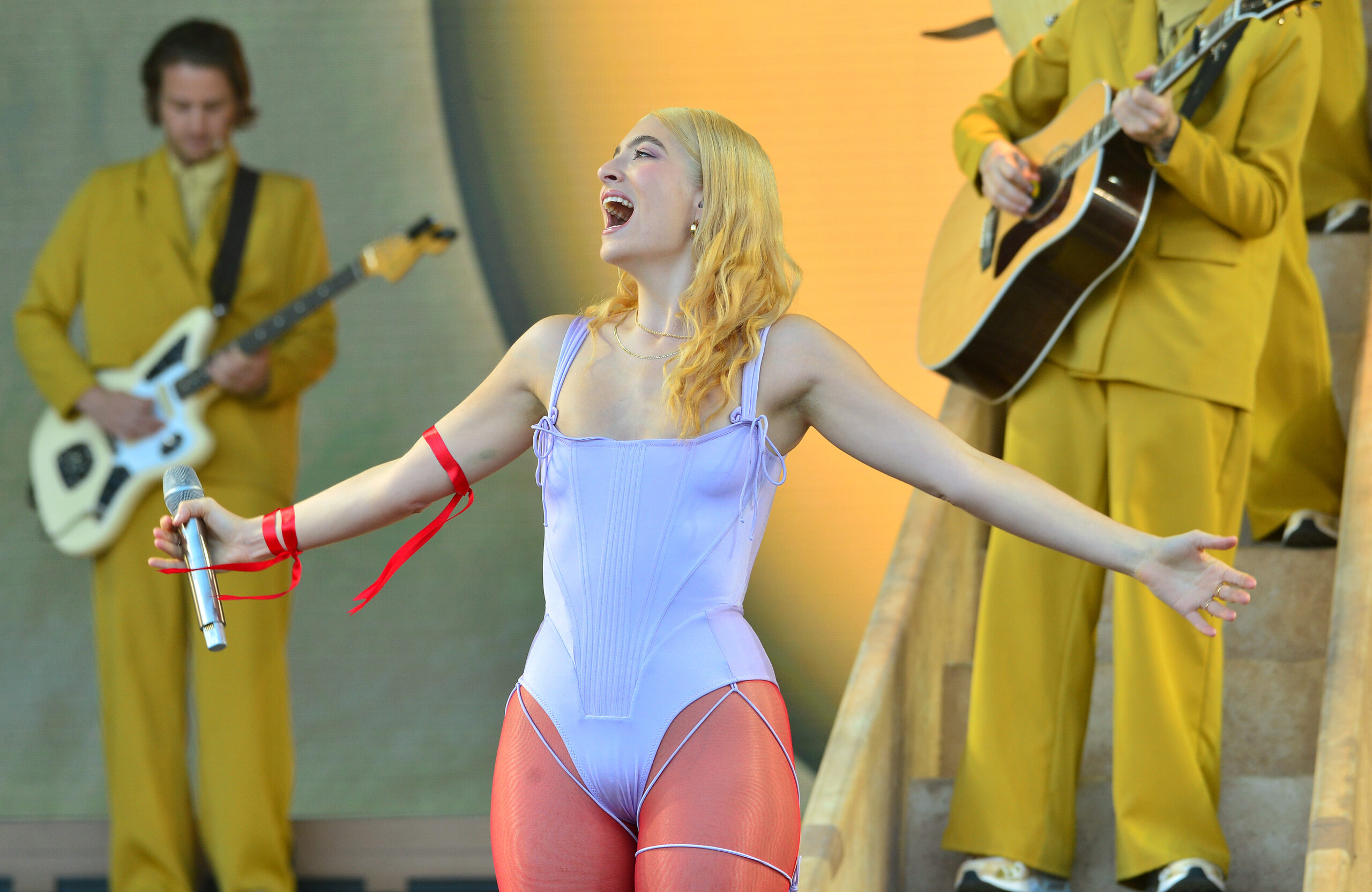
A New Vibe for Lorde
Just yesterday, Lorde unveiled the cover art for her upcoming album Virgin, which is set to release next month. The image is stark and arresting. A blue-tinted X-ray of a pelvis, shows the outline of a belt buckle, pants zipper and, most strikingly, an intrauterine device (IUD).
It’s an image few expected from the artist once wrapped in the earthy, sun-drenched glow of Solar Power. With Virgin, it’s clear Lorde has pivoted from her previous era’s beachy mysticism into something much more visceral and confrontational. The X-ray is clinical, cold, and unmistakably intimate, a literal look inside the body. But rather than feeling dehumanizing, it reads as a statement of ownership, of unfiltered truth.
In a note that can be found on her website, Lorde described the new project as “100% written in blood.” And in an email to fans she described Virgin as her most emotionally and physically bare album to date. She framed it as an exploration of femininity in all its facets, “raw, primal, innocent, elegant, openhearted, spiritual, masc.” The artwork follows through on that promise with an unflinching visual metaphor: this is not a performance of vulnerability, but a document of it.
Lorde Challenges Taboos

To no one’s surprise, the visible IUD in the X-ray has already become a focal point of the public conversation. While some viewers may have missed it at first glance, others immediately recognized the shape and significance. In a pop landscape that still largely shies away from depicting female reproductive health, Lorde has placed it front and center, a decision many are calling bold, feminist, and timely. On social media, fans have dubbed her the “contraceptive queen,” celebrating her for normalizing what is often treated as taboo.
Embracing a Visceral New Aesthetic
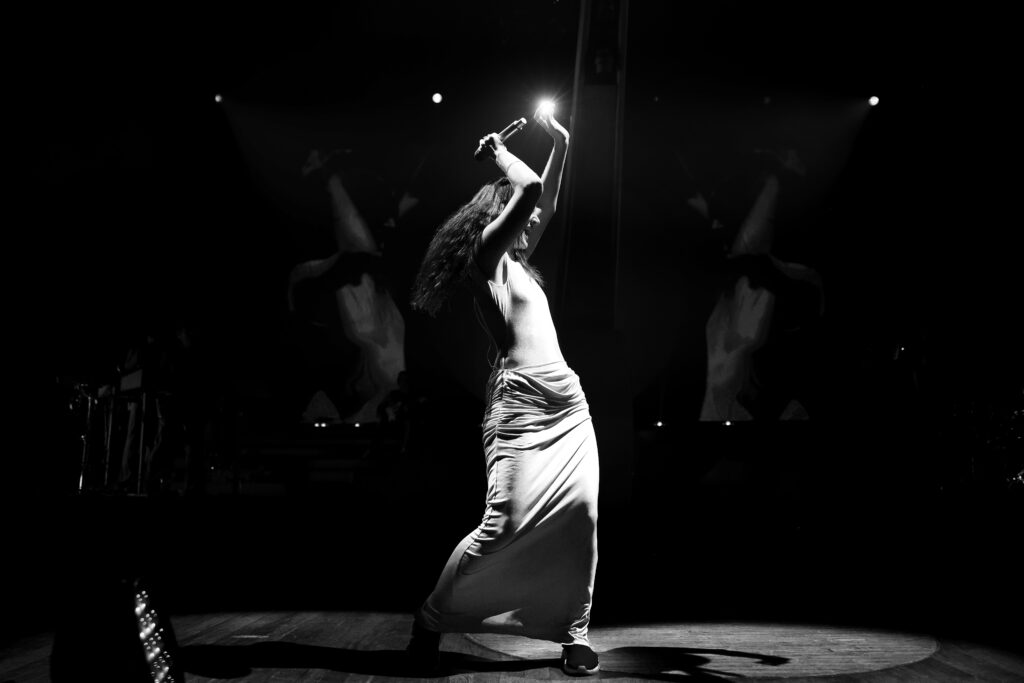
It’s also, very clearly, a departure from the myth-making of earlier Lorde eras. Her 2013 debut Pure Heroine leaned into shadowy teenage mystique, while Melodrama (2017) created a lush, theatrical world of heartbreak and catharsis. Solar Power was breezy, warm, and wistfully self-aware. But Virgin is, by contrast, almost medical in its presentation. And that might be the point: in removing the filter, the makeup, the metaphor, Lorde seems to be asking what it looks like to present femininity in its barest, most literal form.
The album, set for release on June 27, features collaborations with Fabiana Palladino, Jim-E Stack, Andrew Aged, Dan Nigro, Buddy Ross, and Dev Hynes (a.k.a. Blood Orange). The lead single, “What Was That,” dropped earlier this month with stripped-down production and lyrics that suggest emotional fog, self-reflection, and disorientation, all fitting themes for an album packaged with such stark visual honesty.
Lorde Joins a Legacy of Women Redefining the Album Cover

Artists like Björk, FKA twigs, and even Grace Jones have long used their album covers to challenge social expectations of the female body. Lorde joins that lineage here, merging image with intent, and offering a powerful declaration: you cannot separate the music from the body that made it.
In the age of curated perfection, Virgin is absolutely shaping up to be a document of messy, embodied truth and Lorde’s X-ray is just the beginning.