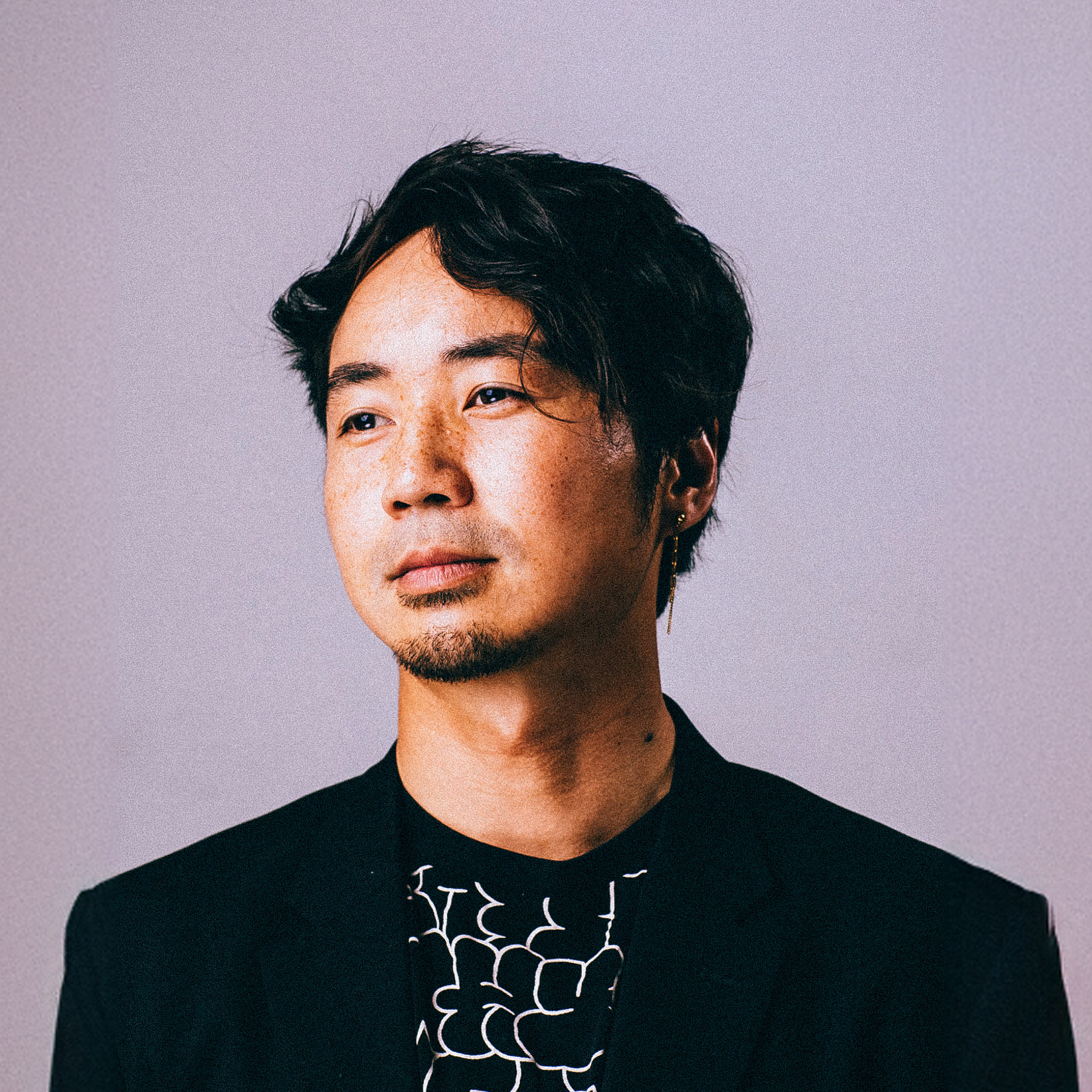
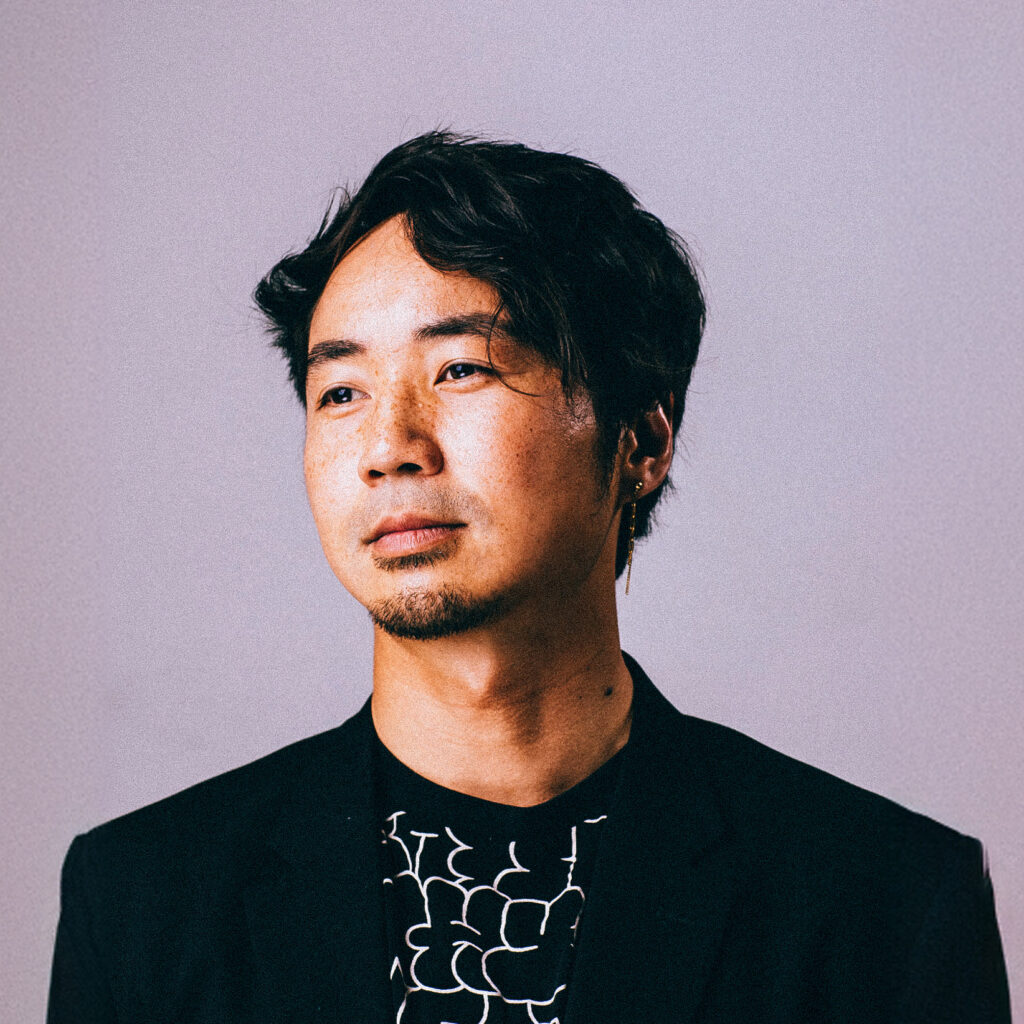
HWIN, one half of the electro-pop duo Cathedrals, is fresh off the release of his debut EP “Just Like A Flower.” I had the privilege of interviewing the musician where he gave me all the insight on the project, starting his own label and more!
Being in a duo involves such a collaborative creative process. While listening, there is a huge sense of intimacy that makes each song feel so personal, how did you go about the creative process on your solo EP?
The solo process is like having this really intimate conversation with yourself. With Cathedrals, there was always this beautiful push and pull between two perspectives. Going solo meant diving deeper into my own headspace—finding those melodies that wake you up at 3am and demand to be recorded.
What made this EP feel uniquely personal was how the community at 57 became part of the process. I’d work on tracks in isolation, then test them at our Circadian Rhythms events where the studio transforms into this intimate nightclub once a month. You hear music completely differently when there are bodies moving to it. Some tracks I thought were finished got pulled back into development after seeing how people responded. The creative process became this cycle of isolation and connection—deeply personal at its core, but shaped by these collective moments.
What inspired Just Like A Flower? Were there musical influences that you turn to (that you usually don’t) while making music for Cathedrals?
“Just Like A Flower” was inspired by this idea of beautiful contradictions—how something can be both delicate and resilient, intimate and expansive. The title actually came from lyrics I wrote nearly 10 years ago—”I open just like a flower inside your sunshine”—which became the seed for what eventually bloomed into the entire EP.
There’s something fascinating about the natural transformation of ideas over time. Some of these songs lived in voice memos for years, existing as these soft acoustic sketches before finding their true form in this new sonic landscape.
“You’re Still On My Mind” started as this melancholic, downtempo crooner before evolving into something more anthemic and euphoric—essentially a sad song dressed in disco pants.
Moving to New York five years ago shifted my perspective on sound. The city has this duality—it’s massive and overwhelming, yet filled with these intimate moments of connection. That tension between the personal and the communal became the central theme of the EP, both lyrically and sonically. I found myself gravitating toward production that could fill both headphones and dance floors, creating these expansive soundscapes around very intimate songwriting.
Was there a moment where you realized you had the urge to come out with a solo project? What was exploring that yearning to create a solo project like?
It wasn’t so much a single moment as a gradual evolution. After my mom passed a few years ago, I couldn’t even listen to music for months. I was traveling, surfing, trying to heal. When I finally found my way back to creating, something had shifted. I’d moved to New York, built this community at 57, and was experimenting with sounds that felt like they needed their own space to breathe.
The turning point came during a late-night session with my roommate Doug when we first met. We were jamming on his modular system until sunrise, and that inspired me to eventually write “Metropolis Heights.” There was something freeing about following these sonic threads without knowing exactly where they’d lead. It wasn’t about leaving Cathedrals behind—it was about allowing this new chapter to unfold naturally. The solo work feels less like a deliberate pivot and more like honoring where the creative current was already flowing.
Lyrically, do any of these tracks explore the emotions of going from a duo to asolo artist?
Not explicitly, but there’s definitely a thread of liminality running through the EP—these in-between spaces where transformation happens. “Without a Frame” probably captures this feeling most directly. There’s a bridge section where I sing: “There’s a space that we can’t see / undefined as meant to be / not in love but in-between / out of frame for you and me.”
I wrote those lines about a relationship existing in this undefined territory, but looking back, they resonate with so many transitions in life—including artistic evolution. That feeling of being “not in love but in-between,” existing in a space that’s “out of frame”—there’s something powerful about acknowledging these liminal moments instead of rushing to define everything.
Throughout the EP, I found myself drawn to these transitional states.

“Love Is All I Need” explores rediscovering something essential after absence. “I Will Release You” literally traces a journey from San Francisco to New York, carrying the emotional residue of the past into something new. Even “You’re Still On My Mind” evolved from this melancholic acoustic piece into something more euphoric—the song itself went through a transformation.
I think that’s what makes transitions so rich creatively—you’re carrying fragments of what was while simultaneously building something entirely new. The EP lives in that space between where I’ve been and where I’m going, which feels right for a debut solo project.
Tell me about 57. How did that idea come about? Did it influence your choice of making the EP or was it the other way around?
57 started completely by accident. Five years ago, I moved to New York for what was supposed to be a summer, Craigslisted this spot in Brooklyn that had a modular synth in the basement, and ended up jamming with my new roommate until sunrise that first night. What began as a temporary arrangement evolved into this creative community as we started hosting small gatherings—first just friends playing music together, then artist salons, and eventually these monthly dance parties where our studio transforms into a nightclub.
The community and the music definitely evolved together. The EP was shaped by playing works in progress at our Circadian Rhythms events, seeing what resonated with people in real time. At the same time, the music helped define the community’s identity. They’re completely intertwined at this point.
Launching 57 Records feels like the natural next step—it’s not just about releasing my music, but creating a platform for the collaborative creative process we’ve developed. The label embodies what we’ve learned about building connection through music, how community can shape artistic development in organic ways. The EP is really just the beginning of that vision.
Are there plans for more solo projects? Can fans expect a tour in support of Just Like A Flower?
Beyond the EP release, I’m focused on developing 57 Records as a platform for artists who share our approach to community-driven creation. We’re exploring ways to evolve our physical space and events—there’s something powerful about having a home base where all these creative interactions can happen.
Musically, I’m already deep into the next body of work. Playing these new tracks live has opened up sonic territories I’m excited to explore further. There’s also some interesting collaborations brewing with artists from different disciplines—we’ve had everyone from painters to choreographers to developers come through 57, and those cross-pollinations are starting to bear fruit.
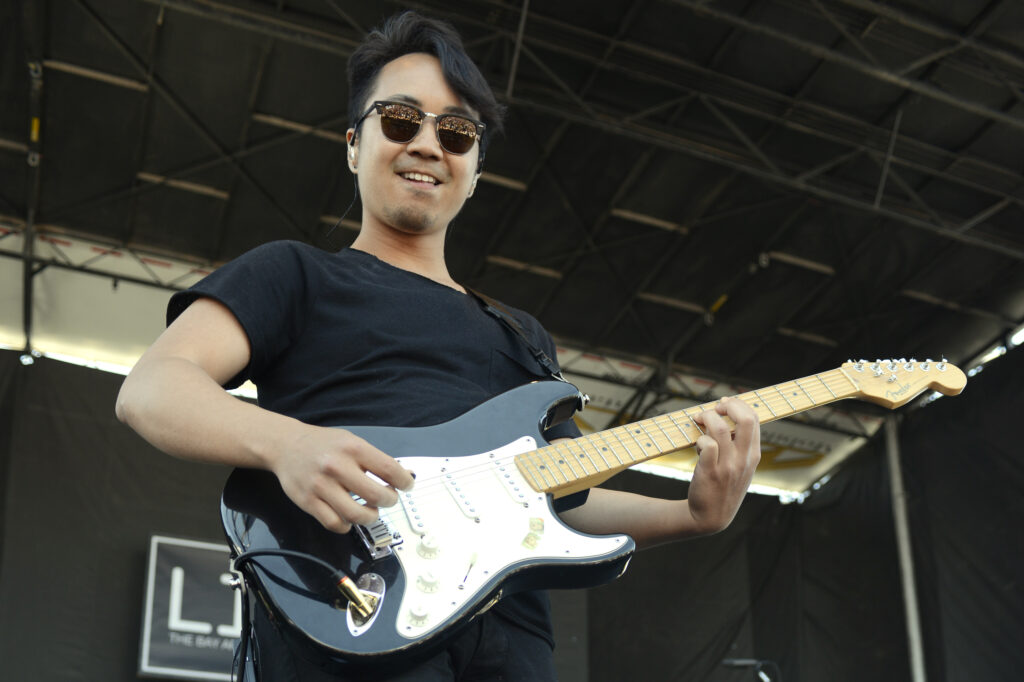
The overarching vision is to create an ecosystem where art, community, and technology can feed each other in meaningful ways. Music is at the center, but it’s not limited to just releasing tracks—it’s about building something more holistic and lasting.
“Just Like A Flower” is out now!