
At the 2026 Oscars, the music categories landed with clarity. Two winners defined the night: “Golden” from KPop Demon Hunters for Best Original Song, and Ludwig Göransson for Best Original Score with Sinners.
“Golden” made history as the first K-pop song to win Best Original Song at the Oscars. Its songwriting team included Ejae, Teddy Park, and Mark Sonnenblick. The recognition placed the track within a lineage of winners while expanding the category’s global footprint. The win also reflected the continued expansion of international influence within major film awards, where language and genre boundaries hold less weight than audience impact.
Göransson’s win added to an already established record of success. With this award, he secured his third Oscar for Original Score, reinforcing his position among the most prominent composers working in film today. His continued presence in the category signals a level of consistency that has become increasingly rare within an evolving field.
Best Original Song: A Global Breakthrough
The Best Original Song category included a competitive group of nominees. Alongside the winner, “Golden,” nominated songs came from Sinners, Train Dreams, Viva Verdi!, and Relentless. The lineup reflected a range of styles and approaches, from character-driven compositions to songs built for broader commercial reach.
During the ceremony, “Golden” was performed live, bringing the track into a shared space beyond its recorded version. The performance emphasized the song’s vocal structure and production, translating its studio sound to a live audience. The staging kept the focus on the performers, allowing the composition itself to carry the moment without distraction.
The win marked a clear moment for the category. A song rooted in K-pop entered the Oscars canon, expanding the range of sounds recognized at the highest level of film awards. It also underscored how global music trends continue to shape what reaches the stage at major ceremonies.
Best Original Score: Precision and Control
Best Original Score went to Ludwig Göransson for Sinners, a result aligned with the film’s broader recognition during the ceremony.
Göransson’s work on Sinners focused on shaping tone and pacing across the film. His composition blended orchestral elements with modern production techniques, creating a sound that supported the narrative without overwhelming it. The score maintained a steady presence throughout the film, reinforcing key moments without drawing attention away from the visual storytelling.
The category featured strong competition. Nominees included Alexandre Desplat for Frankenstein, Jonny Greenwood for One Battle After Another, Jerskin Fendrix for Bugonia, and Max Richter for Hamnet. Each composer brought a distinct perspective, contributing to a lineup that reflected both traditional scoring methods and contemporary experimentation.
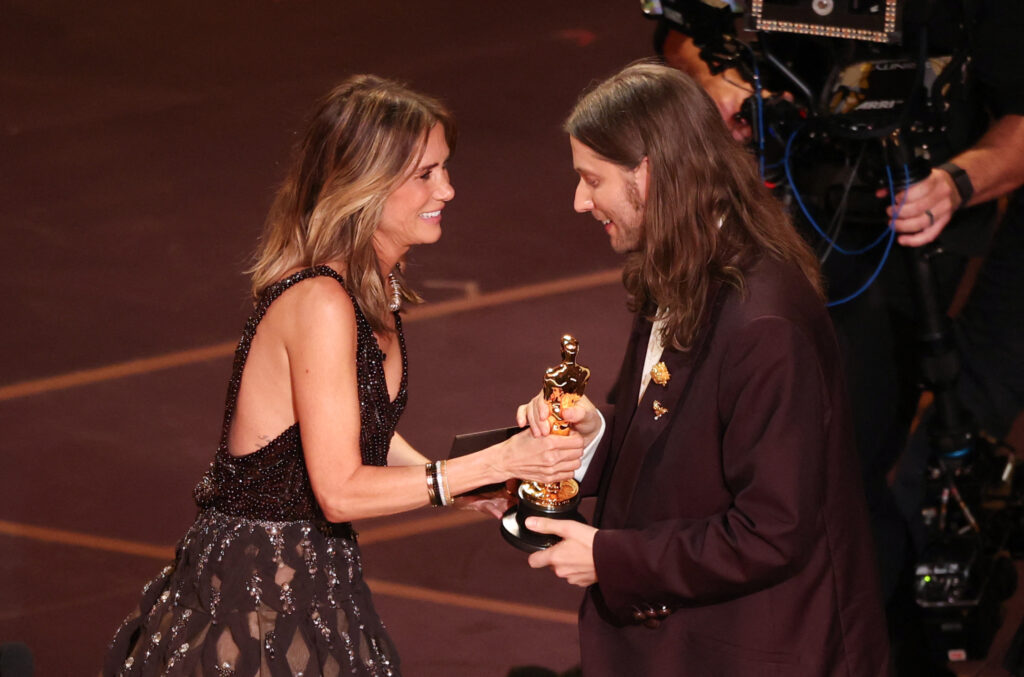
Each nominated score represented a distinct approach to composition. Some leaned toward traditional orchestration, while others incorporated experimental structures and electronic textures. This range highlighted the flexibility of modern film scoring and the different directions composers are taking within the medium.
Göransson’s score stood out through its control and consistency. It carried tension across scenes while maintaining a cohesive sonic identity throughout the film. That level of precision played a significant role in how the film’s narrative unfolded.
The win also connected to Sinners as a whole, which received multiple awards during the ceremony. Score played a central role in shaping how the film was experienced, contributing to its overall recognition. The alignment between the film’s success and its score reinforced the importance of composition within the broader awards landscape.
Performance and Immediate Impact
The music categories extended beyond the awards themselves, with performances and reactions shaping how the night was received.
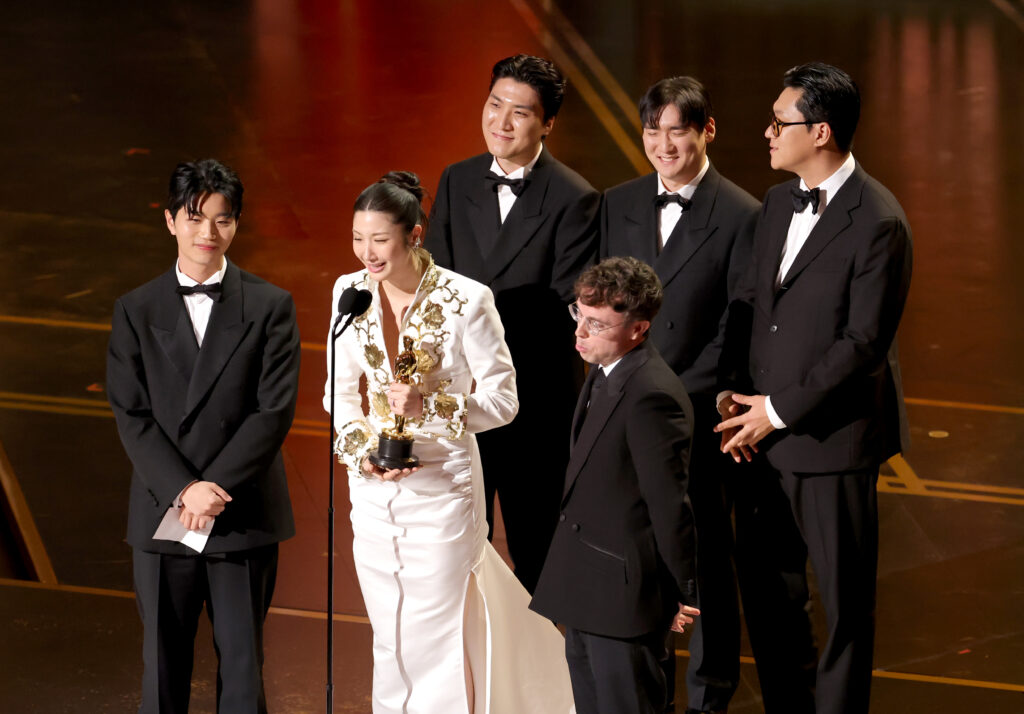
The live performance of “Golden” brought the song into the center of the broadcast, reinforcing its presence within the ceremony. The staging and delivery highlighted its structure and vocal arrangement, translating its recorded energy to a live audience. Audience response in the room really showed the song’s existing popularity and recognition.
Following the ceremony, discussion around both winners continued across social platforms and media coverage. Reactions focused on the significance of “Golden’s” win and Göransson’s continued success in the Original Score category. Conversations also centered on how both winners fit into the broader trajectory of film music.
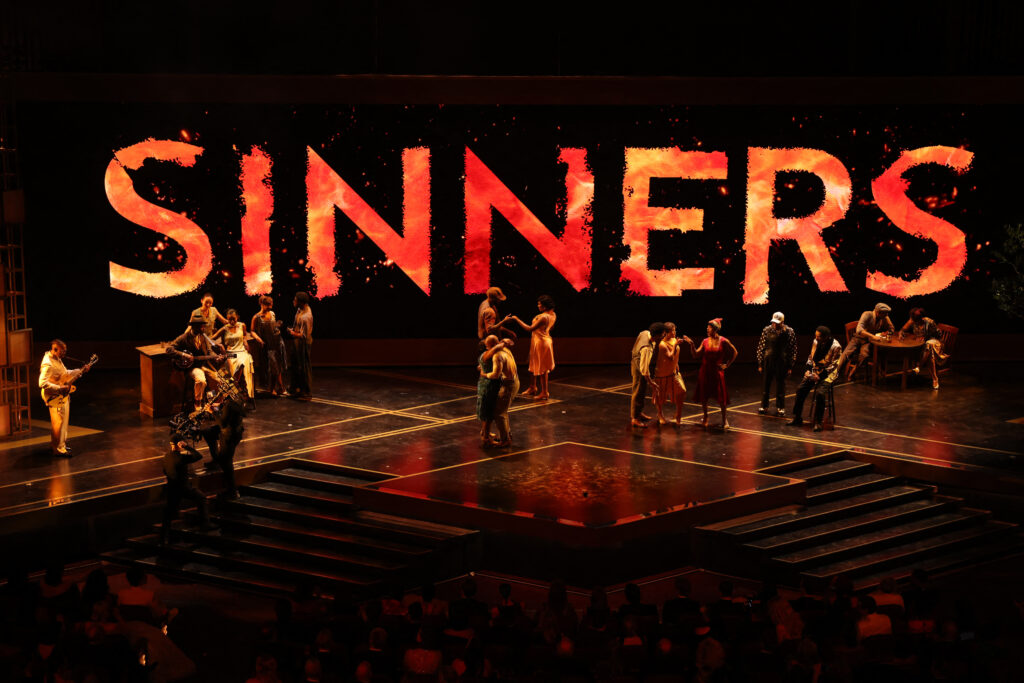
The outcomes reflected broader patterns within film music. Songs associated with major releases now circulate widely before awards season, building recognition through streaming and audience engagement. Scores continue to shape the internal structure of films, influencing pacing and emotional tone.
At the 2026 Oscars, both categories carried that weight directly into the final results. “Golden” and Göransson’s score for Sinners defined the music conversation of the night, anchoring the ceremony’s sound in two distinct and widely recognized achievements.