
Mariah Carey’s holiday reign remains untouchable, and now it has been reinforced in court. The singer has officially won $92,000 in legal fees following the dismissal of a copyright infringement lawsuit that claimed her 1994 classic “All I Want for Christmas Is You” copied another song of the same name. The ruling shuts down the case and further solidifies the song’s status as one of the most legally secure and lucrative holiday hits of all time.

For Carey, whose Christmas anthem resurfaces atop the charts every December like clockwork, the decision is another reminder that the song’s legacy is not just cultural but legally sound. For the plaintiffs, it marks the end of a case the court ultimately found to be unsupported by evidence, speculation, or meaningful musical analysis.
The Lawsuit That Challenged a Holiday Classic
The lawsuit was first filed in 2022 by songwriter Andy Stone, who performs under the name Vince Vance, along with co-writer Troy Powers. They alleged that Carey’s “All I Want for Christmas Is You” infringed upon their own country song of the same title, which was released in 1989 and experienced modest seasonal airplay in the years that followed.
Stone claimed that Carey’s version borrowed key elements from his earlier work, including lyrical ideas, themes, and overall structure. He sought damages reportedly totaling at least $20 million, arguing that Carey’s song unfairly benefited from similarities to his earlier release and capitalized on a phrase he believed was uniquely associated with his recording.
The lawsuit drew attention largely because of the song at its center. Challenging a track that has become inseparable from the holiday season was always going to invite scrutiny from fans, industry professionals, and legal observers alike. Carey denied the claims from the outset, maintaining that her song was independently written and built from common Christmas phrases used widely throughout the genre.
Why the Case Fell Apart
In 2024, the court dismissed the lawsuit in full, concluding that the plaintiffs failed to demonstrate substantial similarity between the two songs. According to the ruling, sharing a title and generic holiday language did not meet the legal threshold for copyright infringement, particularly within a genre that relies heavily on familiar themes and repeated seasonal expressions.
Music experts involved in the case pointed out that phrases like “all I want for Christmas is you” are common expressions and cannot be copyrighted. The court agreed, emphasizing that copyright law protects original expression rather than basic ideas, seasonal concepts, or familiar wording that has long existed within popular music traditions.
The dismissal did more than close the case. It allowed Carey to seek reimbursement for legal expenses incurred while defending the song. The judge later ruled that the lawsuit lacked sufficient factual support and ordered the plaintiffs to pay Carey approximately $92,000 in attorney fees and related costs, reinforcing the court’s position that the claim should not have moved forward.
A Legal Win With Industry Implications
The decision sends a clear message about the risks of filing speculative copyright lawsuits, particularly against well-documented and extensively analyzed works. Courts have shown growing impatience with claims that rely on surface-level similarities rather than demonstrable musical overlap, especially as catalog songs continue to generate significant revenue decades after their release.
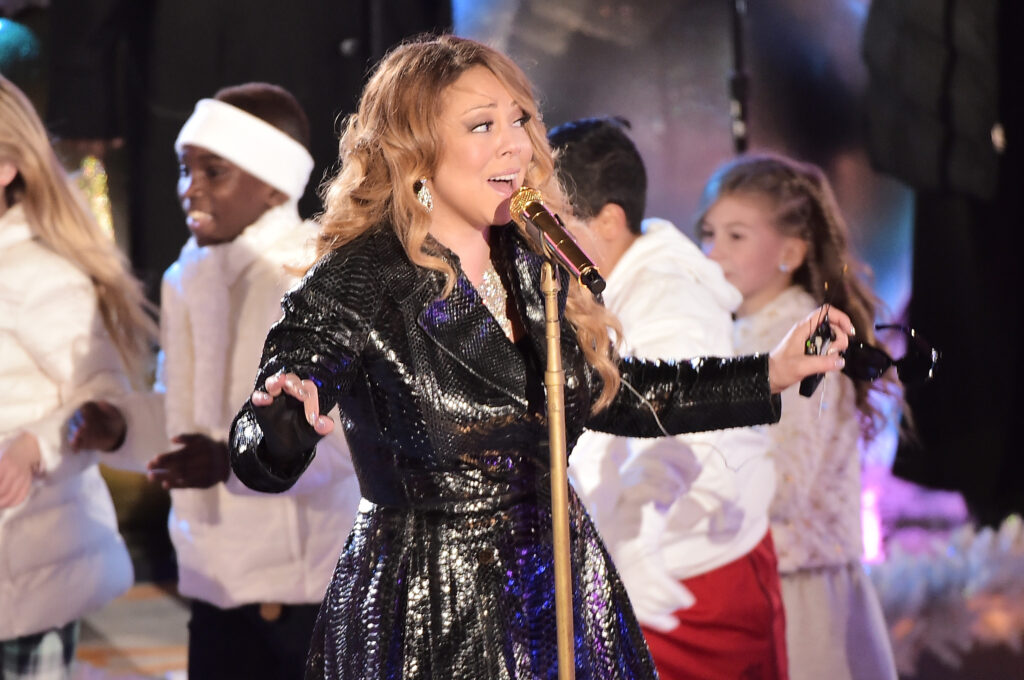
For Carey, the ruling reinforces the long-established story behind the song’s creation. “All I Want for Christmas Is You” was co-written with Walter Afanasieff during a prolific period in her career, and its origins have been discussed, defended, and examined for decades by fans, journalists, and music historians.
The outcome also protects the integrity of one of the most successful songs in modern music history. Since its release, the track has generated hundreds of millions of dollars, dominated streaming platforms annually, and become a cultural fixture across generations. Legal challenges to its ownership were always going to face significant obstacles given its extensive documentation and analysis.
Christmas Stays Right Where It Is
With the lawsuit officially behind her, Carey can continue doing what she does best every holiday season, reclaiming the charts. “All I Want for Christmas Is You” routinely returns to number one more than twenty-five years after its release, outperforming new music and reaffirming its staying power year after year.
The court’s ruling ensures the song’s future remains uninterrupted and free from lingering legal questions. It also reinforces a broader truth within the music industry, not every similarity is theft, and not every massive hit is fair game for retroactive claims. As far as the courts are concerned, Christmas still belongs to Mariah Carey, and this time, the verdict made it official.