
It’s official, Rosalía is in her auteur era. The Spanish superstar is back with her fourth studio album, Lux, dropping November 7th, and it’s already shaping up to be her most ambitious project yet. Following the release of her lead single “Berghain,” Rosalía proves once again that she’s not here to follow trends.
The Blueprint of a Boundary Breaker
Few artists evolve as boldly as Rosalía. She first turned heads with 2018’s El Mal Querer, a groundbreaking blend of flamenco tradition and modern pop that landed her global acclaim and a few Grammys. By the time Motomami arrived in 2022, she’d reinvented herself again. This time through the lens of experimental reggaeton, hyperpop, and digital chaos.
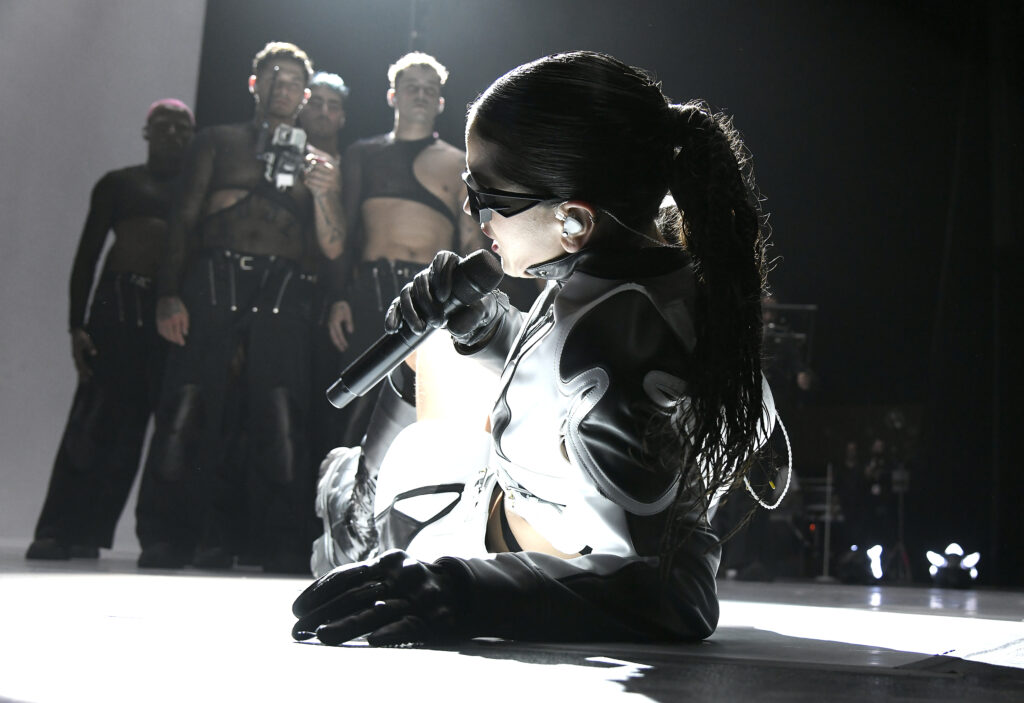
Motomami was messy, brilliant, and full of contradictions, just like the internet age it captured. It made Rosalía more than a Spanish export. It made her a creative force in the global pop landscape. Now, three years later, she’s doing what she does best: flipping expectations once more.
Welcome to the World of Lux
Her new album Lux feels like the next natural step for an artist obsessed with transformation. It’s divided into four movements, recorded with the London Symphony Orchestra, and features collaborators like Björk, Yves Tumor, Carminho, and Estrella Morente. If that sounds cinematic, it’s because it is.
Rosalía has described Lux as a project that “doesn’t sound like Motomami at all,” and she’s not exaggerating. Gone are the glitchy reggaeton beats and chaotic sound collages, this is an album rooted in orchestral arrangements, grand crescendos, and haunting vocal layers. Lux is not pop in the traditional sense. It’s art-pop colliding with classical, with Rosalía positioning herself somewhere between a composer and a storyteller.
And yet, it’s still her; intense, emotional, and fearless.
“Berghain”: The Beginning of a New Era
If Lux is a statement, then “Berghain” is its thesis. The single dropped on October 27, and it’s everything you wouldn’t expect from a Rosalía lead track. Named after Berlin’s infamous techno club, “Berghain” brings together Björk and Yves Tumor for a swirling, multilingual fever dream sung in Spanish, English, and German.
The song opens with a trembling choir and organ before exploding into a storm of strings and bass, fusing sacred and synthetic sounds in a way that only Rosalía could pull off. Her voice weaves through the chaos, alternately tender and commanding, while Björk and Yves Tumor add an otherworldly edge.
It’s not radio pop, it’s cathedral rave. And that’s exactly the point.
The accompanying video, directed by longtime collaborator Nicolás Méndez, shows Rosalía doing mundane tasks—ironing clothes, taking the bus—as an orchestra floats around her. It’s surreal, strange, and distinctly human, capturing that tension between the ordinary and the divine that’s at the heart of Lux.
The Evolution of an Artist
Rosalía’s never been afraid to reinvent herself, but Lux marks a new kind of confidence. This isn’t about chasing the next big sound; it’s about creating her own universe. She’s blending opera, experimental pop, and classical structures while still carrying the same emotional intensity that’s always defined her music.
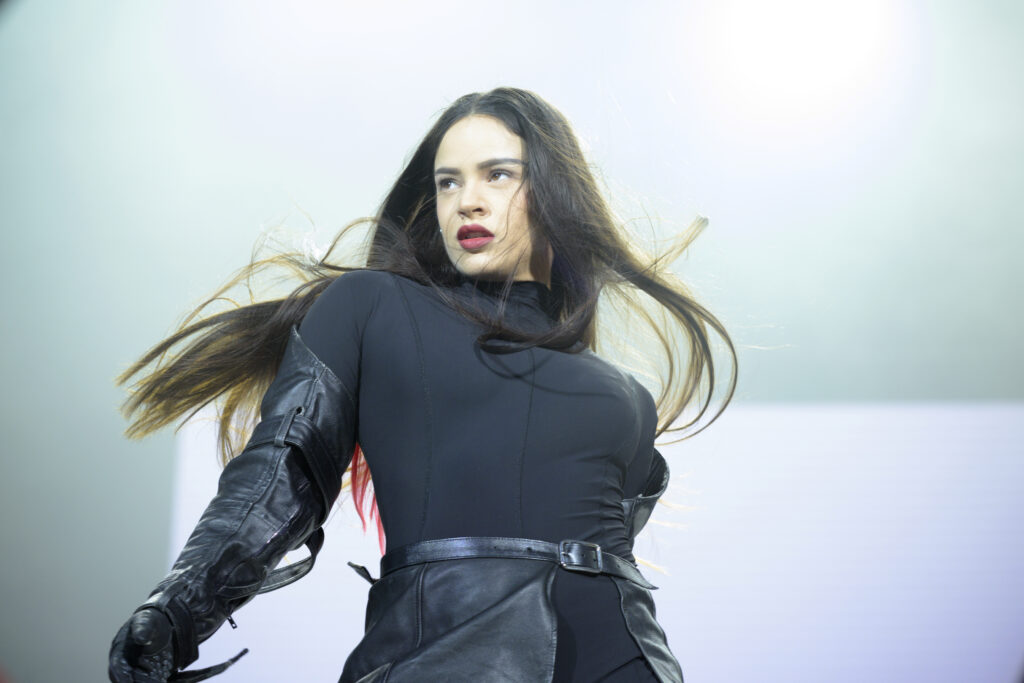
It’s the sound of an artist who’s done proving herself and is now simply creating without fear. That freedom shows.
The collaborations reflect that evolution, too. Working with Björk isn’t just a flex, it’s a meeting of artistic equals. Both women have built careers on defying genre, and their union feels inevitable in retrospect. Yves Tumor’s experimental sensibilities add grit and texture, grounding the grandiosity in something raw. Together, they create a sound that’s lush but unpredictable; high art with real pulse.
What Makes Lux Different
What sets Lux apart isn’t just its orchestral grandeur, it’s the way Rosalía uses it to explore new emotional territory. Early reports describe the album as structured like a symphony, with movements that shift in tone and theme. It’s not made for playlists; it’s made to be experienced front to back.
That’s a risky move in an era dominated by singles, but that’s precisely why it works. Rosalía has always stood at the intersection of the traditional and the futuristic, and Lux might be her most fully realized vision of that yet. She’s reaching back to her classical training while pushing forward into uncharted sonic spaces.
The Big Picture
In a landscape where reinvention often feels performative, Rosalía’s evolution remains genuine. Every era feels like a chapter in a larger story, not a costume change. Lux continues that legacy, blurring the line between pop star and composer, club and concert hall, sacred and profane.
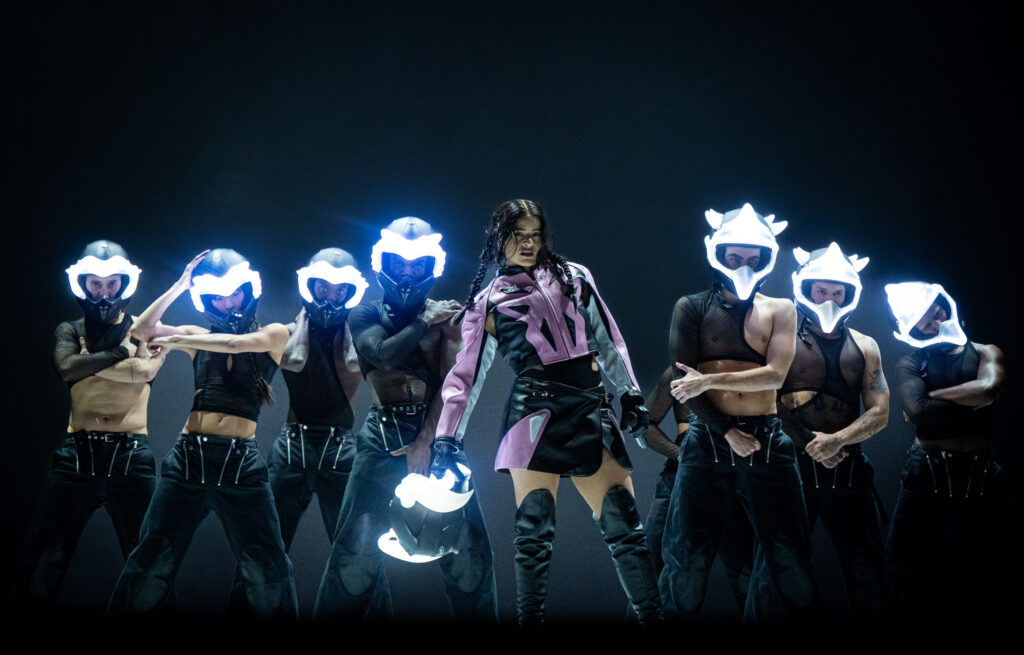
When “Berghain” ends, it leaves behind a ringing silence. The kind that asks you to sit with what you just heard. And that’s exactly what Lux promises to do: make you listen differently.
Lux isn’t about what’s trending, it’s about what’s timeless.